
Subject
the bumblebee
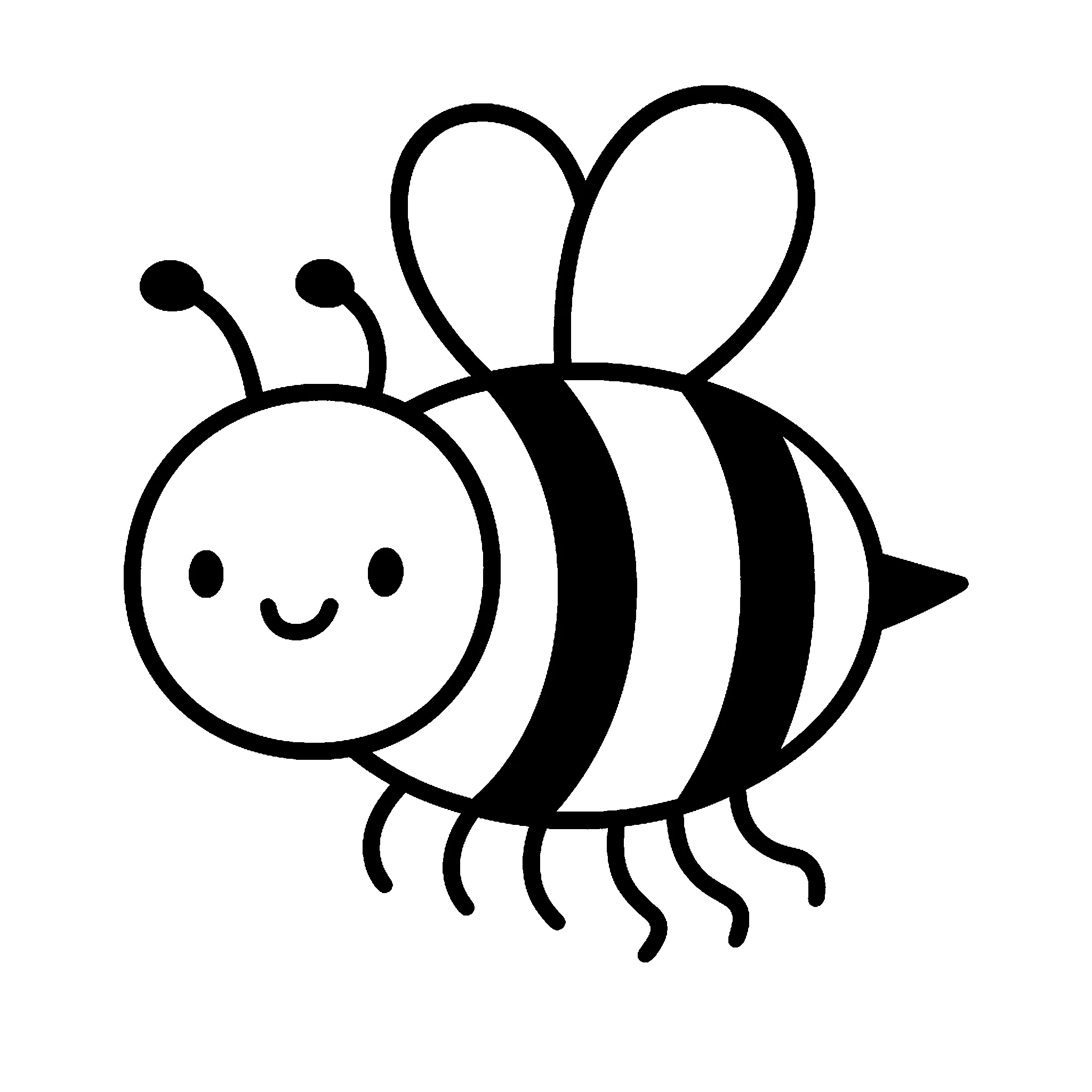
A bumblebee is a large, fuzzy, social bee in the genus Bombus. There are about 250 species worldwide, mostly in the Northern Hemisphere. Bumblebees can fly in cooler weather than honey bees and are some of the most important pollinators of wild plants and crops. Daily Doodle has featured bumblebees with sourced facts for kids 4-10, plus a printable coloring page.
Quick facts
- There are about 250 species of bumblebee worldwide.
- Bumblebees can shiver their flight muscles to warm up before flying — they can fly in colder weather than honey bees.
- Most bumblebee colonies last only one summer; only new queens survive the winter.
- A bumblebee can sting more than once (unlike a honey bee, which dies after stinging).
- They use "buzz pollination" — vibrating flowers to release pollen — for tomatoes, blueberries, and many wildflowers.
Why kids love the bumblebee
A bumblebee looks too round and fuzzy to fly, but it does anyway. It's the friendliest-looking insect in the garden.
The Daily Doodle issue
Frequently asked
- Can bumblebees sting more than once?
- Yes. Unlike honey bees, a bumblebee's stinger does not have a barb, so it can sting multiple times without dying.
- How do bumblebees fly in cold weather?
- They shiver their flight muscles to warm up before takeoff. This lets them forage at lower temperatures than honey bees.
- Do bumblebees make honey?
- A little, but not much. They store small amounts of nectar in wax pots inside the nest, just enough to feed the colony.
- Are bumblebees endangered?
- Several species are. Habitat loss, pesticides, and climate change have caused steep declines, especially in North America and Europe.
Sources
- Bumble Bees — U.S. Fish and Wildlife Service
- Bumblebee — Encyclopaedia Britannica
One doodle, every morning.
Free. No ads to kids. No data on kids. Unsubscribe with one click.
Built for parents. We'll never sell your address. Privacy.
Browse more: animals · all subjects A–Z · full archive